


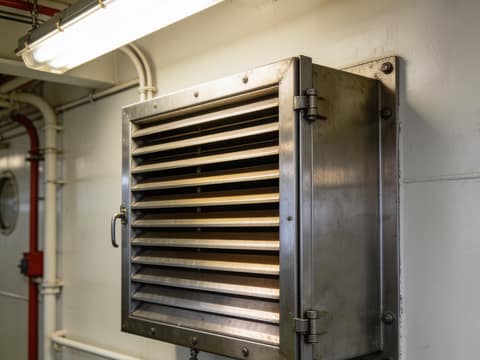
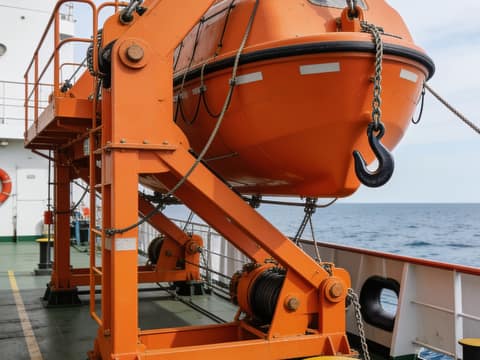
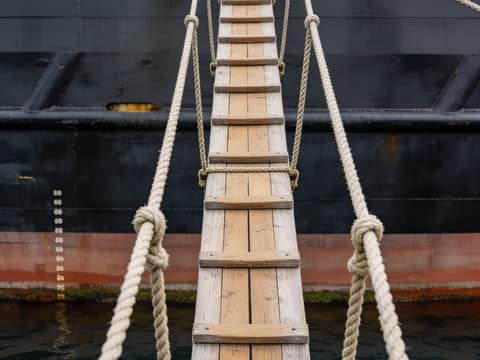
CO₂ room door gasket, seal failing
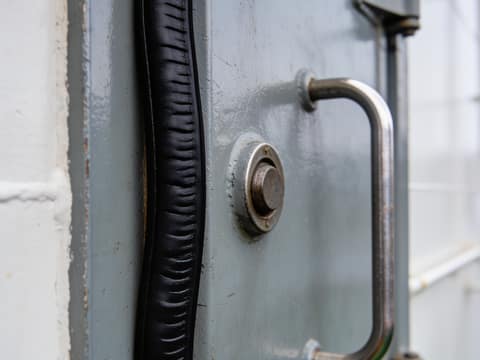
Across the photos and the crew's remark, the gasket shows the same hardening flagged last cycle, and on two sister vessels this quarter.
Replace the gasket and attach a fresh photo before the PSC call.
Fleetward helps you run & oversee AI-powered pre-inspections on board, so the ship is ready for whatever comes next: PSC, SIRE 2.0, RISQ or ES-TRIN.
Built around the inspections you are measured on
We bring the checklist, the crew, and an AI agent into one record. The ship that gets inspected is the ship you know is ready.
The office sees each vessel's pre-inspection come together in one board: what is documented, where the gaps are, and which ship needs attention before its window. When something needs explaining, the AI agent answers from the record.
 AI-generated
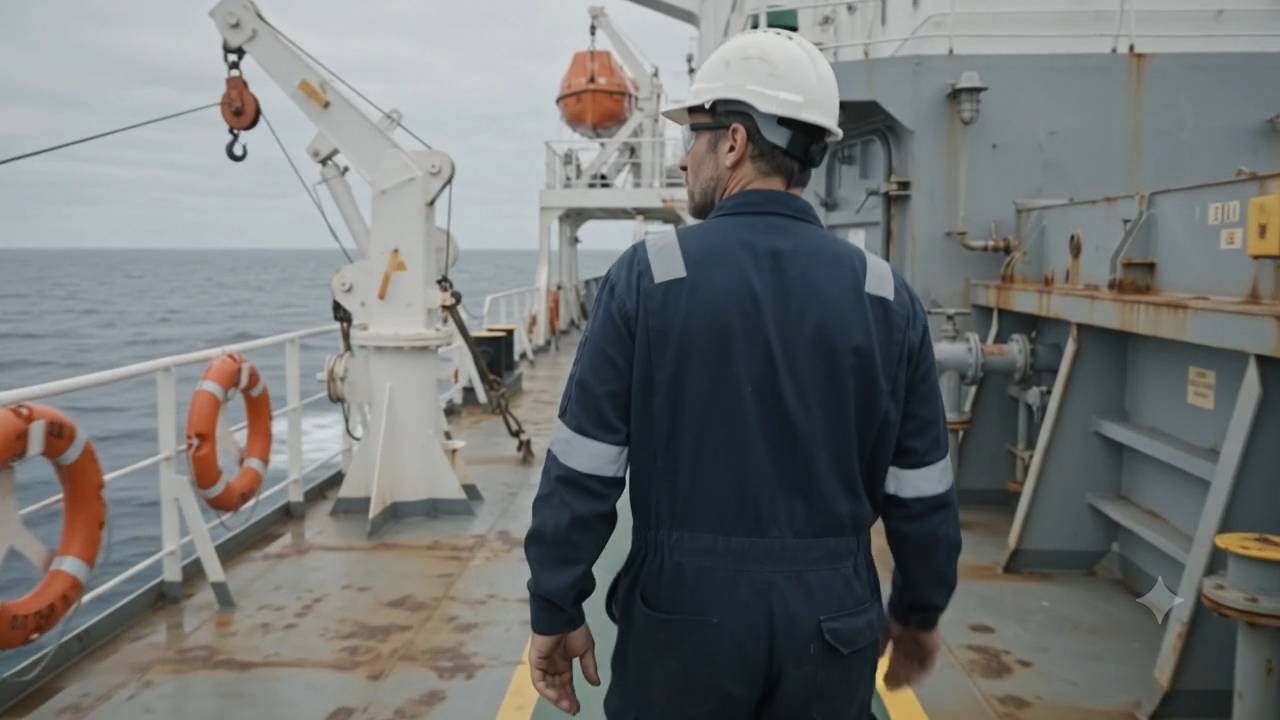
Crews photograph and note evidence against the checklist as they work, even offline. Nothing waits for the office.
See the capture flow AI-generated
Shore teams see readiness across the fleet and close the gaps before the inspection window, vessel by vessel.
See the readiness boardNo forms to fill on a moving ship. Photos and quick remarks go up in one stream, the way the crew already messages shore.
Send, don't fill in
One stream, not a form. The AI files each item against the right checklist line.
Confirmed with a tap
Fleetward suggests where evidence belongs; the crew confirms.
Works offline
Captures without signal and syncs the moment the ship has connectivity.
Every photo and remark flows off the ship into one dashboard. The office sees each vessel's pre-inspection come together: what is documented, who logged it, and what is still open.
Every vessel in one place
This pre-inspection sits beside every vessel in the fleet.
Documented, and by whom
The operator sees what is documented and who logged it.
What's still open
Open items surface the moment the evidence lands.
The AI reads photos and notes together, not one by one, then measures them against the standard and the vessel's own record. The items most likely to draw a finding surface first.
Checked against the standard
Weighed against what this inspection requires and the vessel's own history.
A verdict per item
Sound, incomplete, worse than last cycle, or a likely finding.
Real risks first
The items most likely to become findings surface at the top.
Each open gap turns into a concrete task with the steps that close it, routed to the crew member who can act. It goes out while the inspector is still days away.
Fix, photograph, done
Every task carries the steps that close it out.
Assigned to the crew
Routed to the people aboard who can act on it.
While there's still time
Sent while the inspector is still days away.
When the report lands, Fleetward weighs each finding against your evidence and the standard. A shaky one gets answered with proof, through the right channel.
Every finding, weighed
Each line checked against the timestamped evidence you already captured.
The right channel
SIRE 2.0 operator comments, a RightShip reassessment, or a PSC clarification, before the window closes.
Backed by proof, sent by you
The AI drafts the evidence-based response; your team reviews and submits it.
 AI-generated
 AI-generated
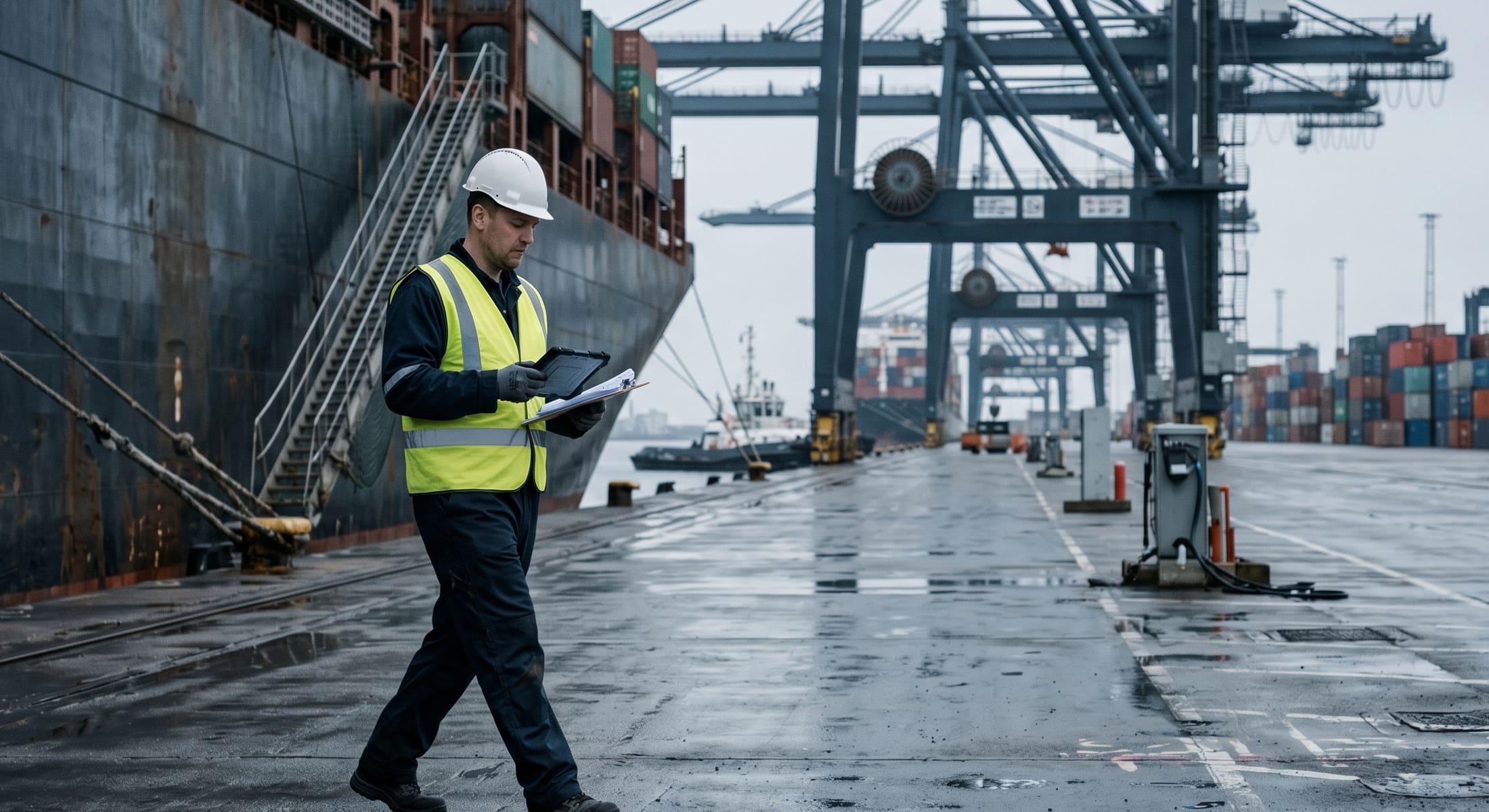
Prepare for the structured PSC inspection with evidence mapped to the areas officers examine, and an honest readiness picture before the ship arrives.
 AI-generated
See how Fleetward captures evidence on board and shows fleet readiness ashore. Book a walkthrough with our team.