Fleetward is launching its beta. First fleets shape the product.
SIRE 2.0 readiness

The CVIQ is compiled fresh every time.
Your evidence should already be there.

A photo per question, kept current, with AI flagging the gaps before the charterer looks.
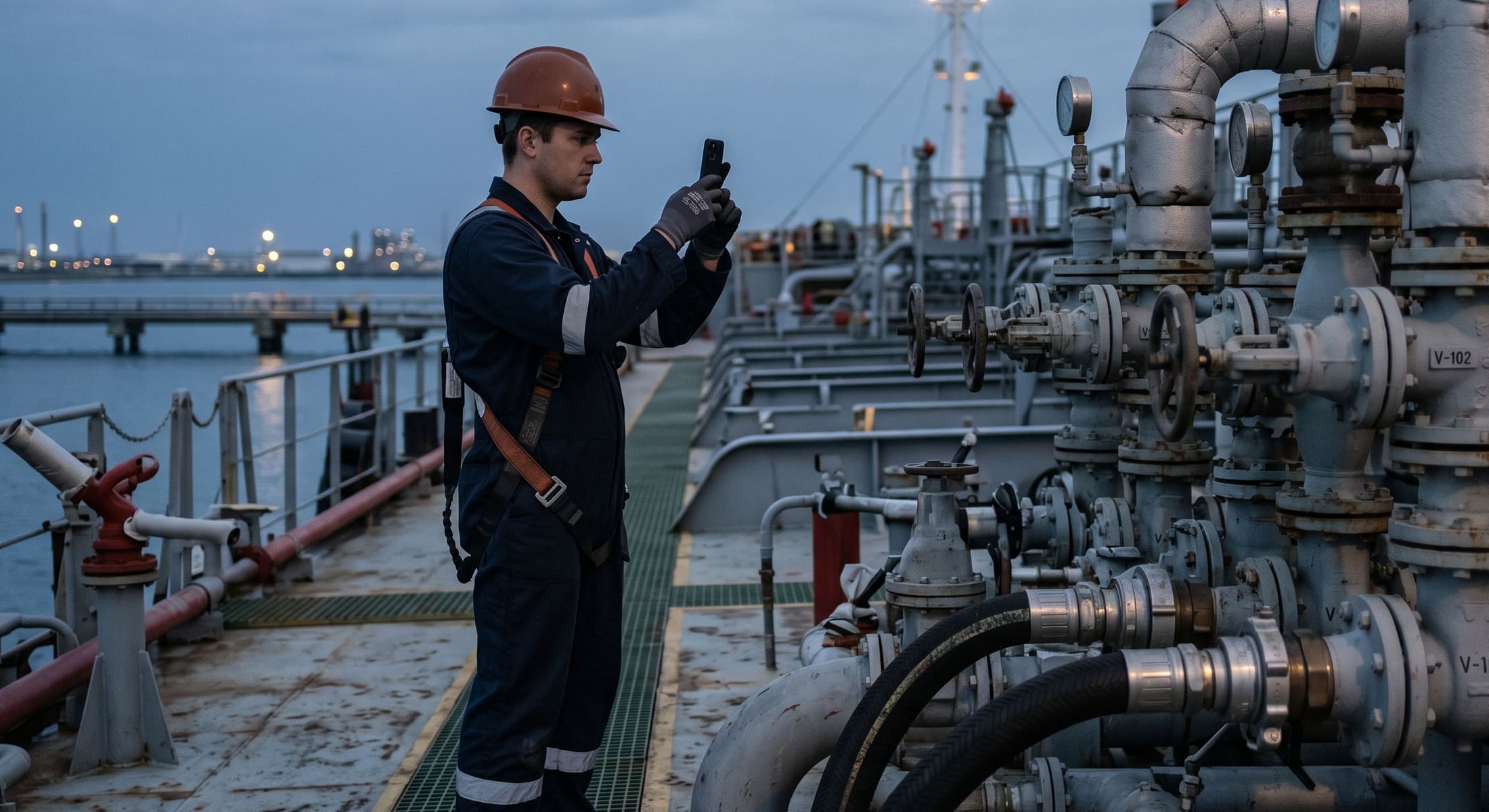
A tanker crew member photographing manifold pipework at dusk for the inspection record.AI-generated
With Fleetward

From nomination to published report.

What Fleetward does at each point of a SIRE 2.0 inspection, from the day it is booked to the day the report goes out.
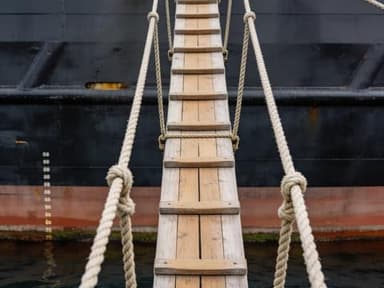
The clock starts. The CVIQ that will be asked does not exist yet.

Start from the standing record. The SIRE 2.0 checklist is already tagged to the vessel.

Assign by rank. Master, officers and crew each see their own items.

SIRE 2.0 wants a photo and a written answer per question.

Capture on deck, offline too. Photo, note or measurement per item.

AI flags the likely observations. Gap analysis surfaces weak items while there is time to fix them.

Findings are contested live, before the report closes.

Evidence findable per item. Each question's photo and note sit against the item, dated.

The record arms the master. A documented pre-inspection is what a live dispute stands on.

Operators have 14 days to respond before the report publishes.

The record, ready to export. A PDF of items, evidence and close-out, already built.

Respond with evidence, not memory. Dated photos read differently to charterers than assertions.

AI on board

The model reads the record with you.

Notes cleaned upRough notes typed on deck come ashore readable.
Note enhancementRough remarks tightened into inspection-ready notes.
Gap analysisItems missing required evidence, flagged per vessel.
Predicted findingsLikely observations surfaced while there is time to fix them.

Assistive by design. The crew and the office review everything the model suggests.

See it in Fleetward

The same evidence, organized the way SIRE 2.0 is inspected.
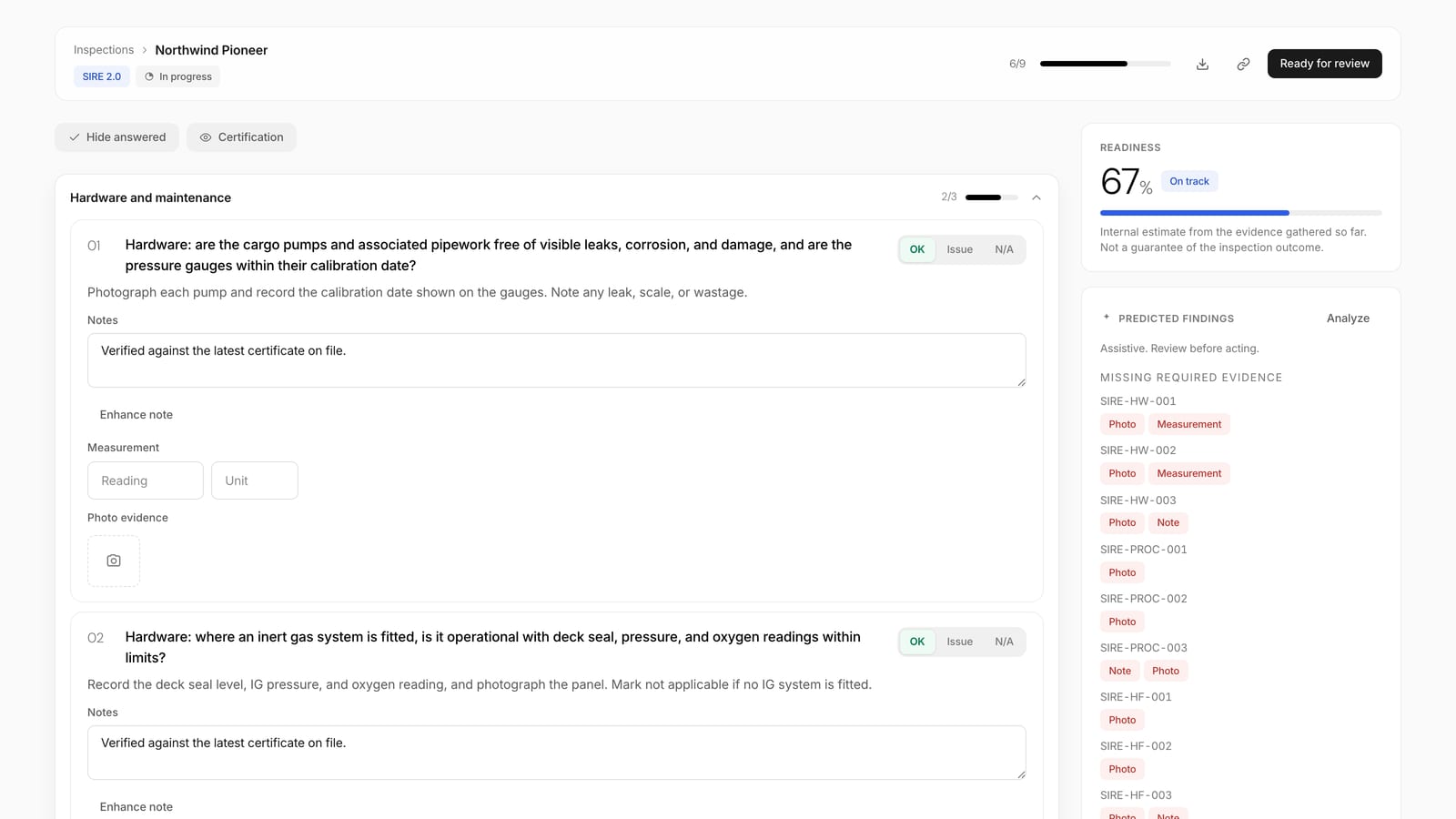
A SIRE 2.0 pre-vetting run in Fleetward: hardware items with notes and photo evidence, the readiness estimate and missing-evidence flags beside them.
The stakes

What rides on the next vetting

~100

questions compiled into each CVIQ from a larger library, unique to the vessel

6 months

the typical interval between inspections in practice, set by charterers

14 days

the operator comment window before the report publishes to charterers

New to SIRE 2.0? Read the CVIQ preparation guide

AI-generated

Evidence, gathered the way it is inspected.

A photo and a note against each item, current to the ship, kept ready to show.

See your fleet's SIRE 2.0 readiness in one board.

Fleetward is in beta. Leave your details and we will set up a walkthrough with the team, on your vessels' real workflow.

SIRE 2.0 gives no letter grade and Fleetward does not grade your ship. It keeps the evidence current and findable, so fewer questions land as observations.

By sharing your details you agree we may contact you about Fleetward. See our Privacy Policy.

Questions, answered plainly.

The standing record is organized against the SIRE 2.0 question library, not against one inspection. Whatever the compiled CVIQ asks, the evidence for it is already tagged to the items it draws from.

A photo, a written note or a measurement, per item. Capture works offline and syncs when the ship has bandwidth.

No. It keeps your evidence ready and exportable so your team can respond through OCIMF's own channels, including the 14 day operator comment window.

No. The readiness figure on the fleet board is an internal estimate for triage, clearly labeled as such. It is never a SIRE score, because SIRE 2.0 does not issue one.

Ready before the nomination lands.

See how Fleetward keeps SIRE 2.0 evidence current across your tankers. Book a walkthrough before the next nomination.

All solutions