Fleetward is launching its beta. First fleets shape the product.
10 guides

SIRE 2.0 guides

OCIMF's tanker inspection regime explained: the CVIQ, question types, photo evidence, human factors and the operator comment window.
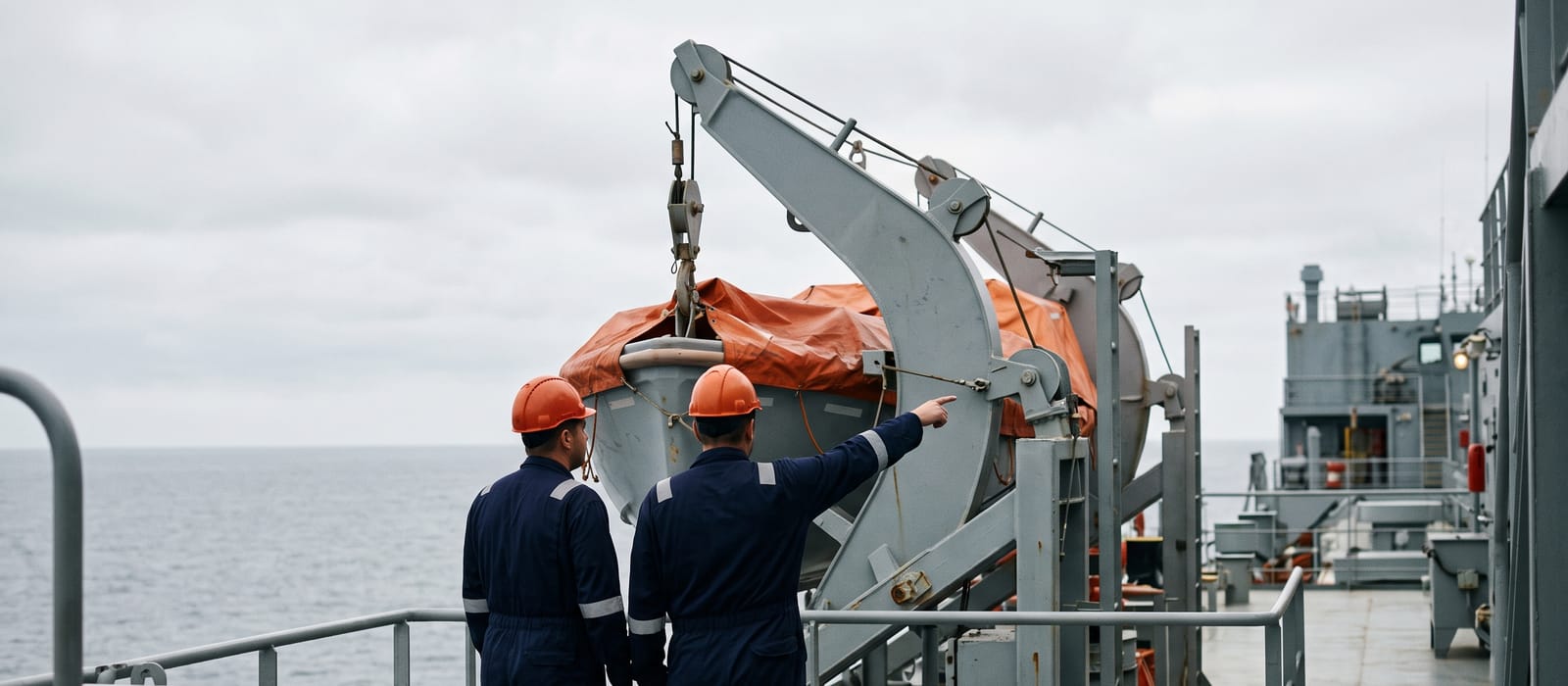
Two crew members at a lifeboat davit during a drill, seen from behind, one pointing at the gear.AI-generated
SIRE 2.0 · 31 July 2026 · 7 min read

Human factors in SIRE 2.0: how inspectors assess the crew

Inspectors now rate crew responses against expectation and must name the factors behind any shortfall. What the nine PIFs are and how a crew prepares for them.

Read the guide
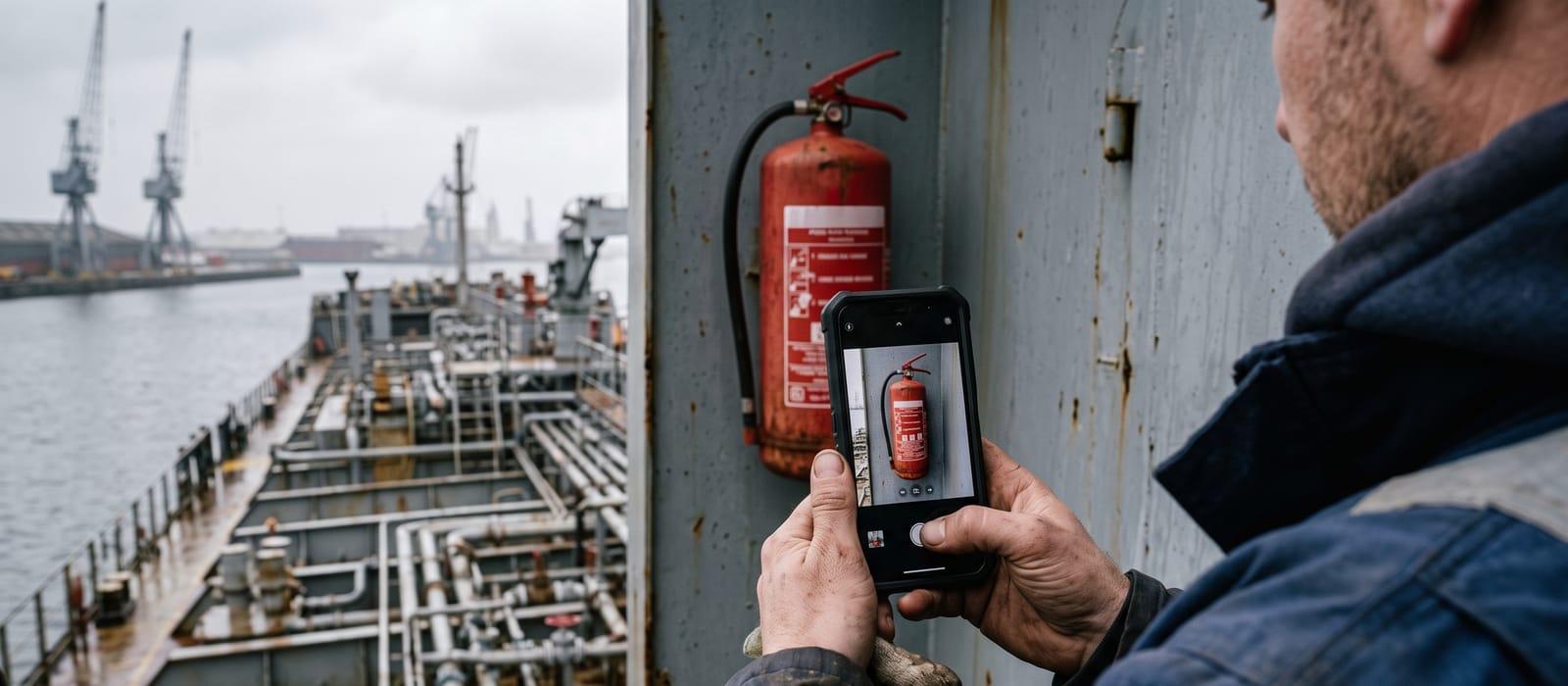
A crew member photographing a fire extinguisher on a tanker bulkhead with a smartphone, the extinguisher visible on the screen.AI-generated
SIRE 2.0 · 31 July 2026 · 7 min read

Photo evidence in SIRE 2.0: what the repository requires

Every tanker owes the repository 33 standard photographs, more by vessel type, refreshed roughly every six months. What the set contains and how to keep it honest across a fleet.

Read the guide
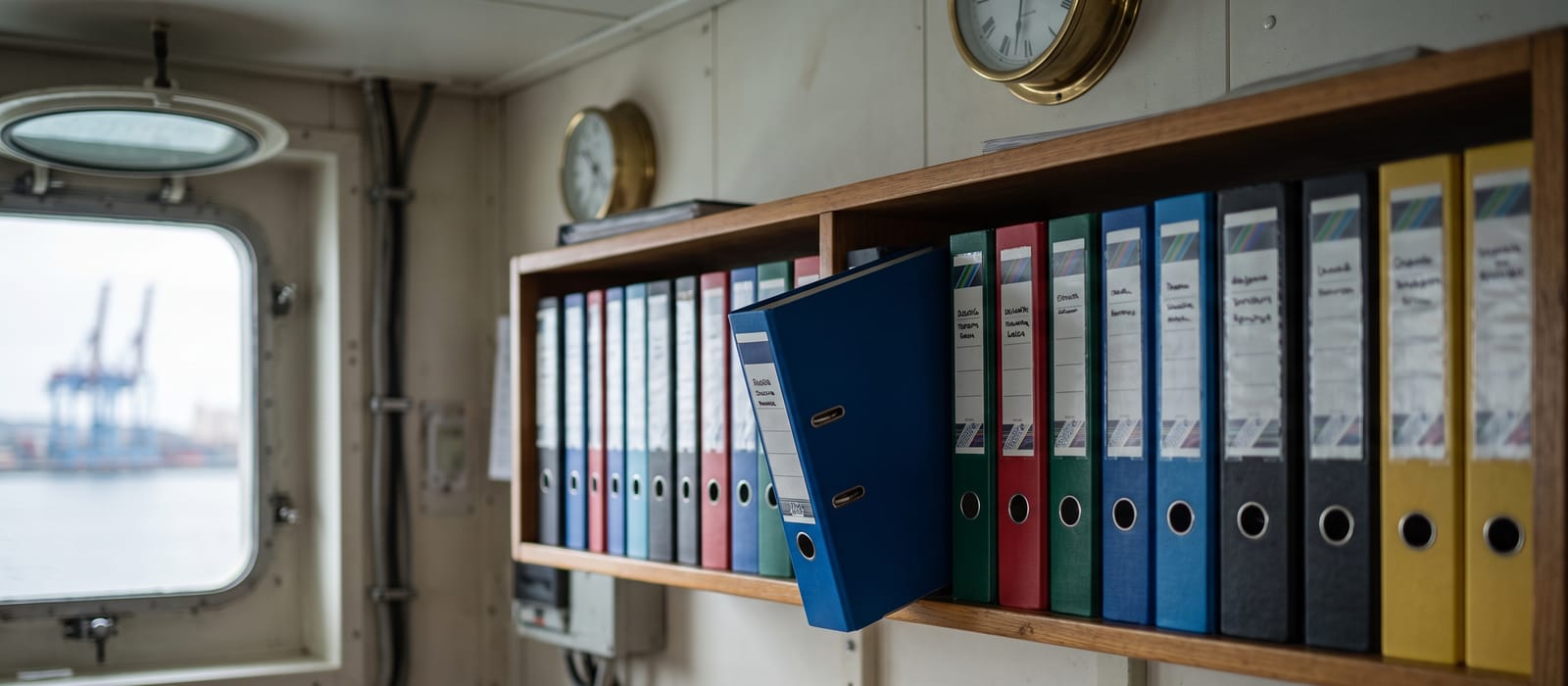
A shelf of colour-coded documentation binders in a ship's office, one pulled halfway out.AI-generated
SIRE 2.0 · 31 July 2026 · 7 min read

PIQ and HVPQ accuracy: the data that shapes your CVIQ

Your vessel's question set is compiled from data your office maintains. Stale HVPQ or PIQ entries produce mismatched questions and observations you could have avoided.

Read the guide
A stack of thick printed reports with reading glasses on top, port cranes through the window behind.AI-generated
SIRE 2.0 · 31 July 2026 · 6 min read

SIRE 2.0 negative observations: how charterers read your report

Every deficiency is coded, commented and often photographed before charterers see it. What the codes mean, how vetting teams filter them, and why unanswered observations do the damage.

Read the guide
A shore office desk with a laptop and printed inspection report, harbour visible through the window.AI-generated
SIRE 2.0 · 31 July 2026 · 6 min read

SIRE 2.0 operator comments: using the response window well

Fourteen days sit between a validated report and its publication to charterers. What to write in that window, what evidence to attach, and why the clock starts before you are ready.

Read the guide
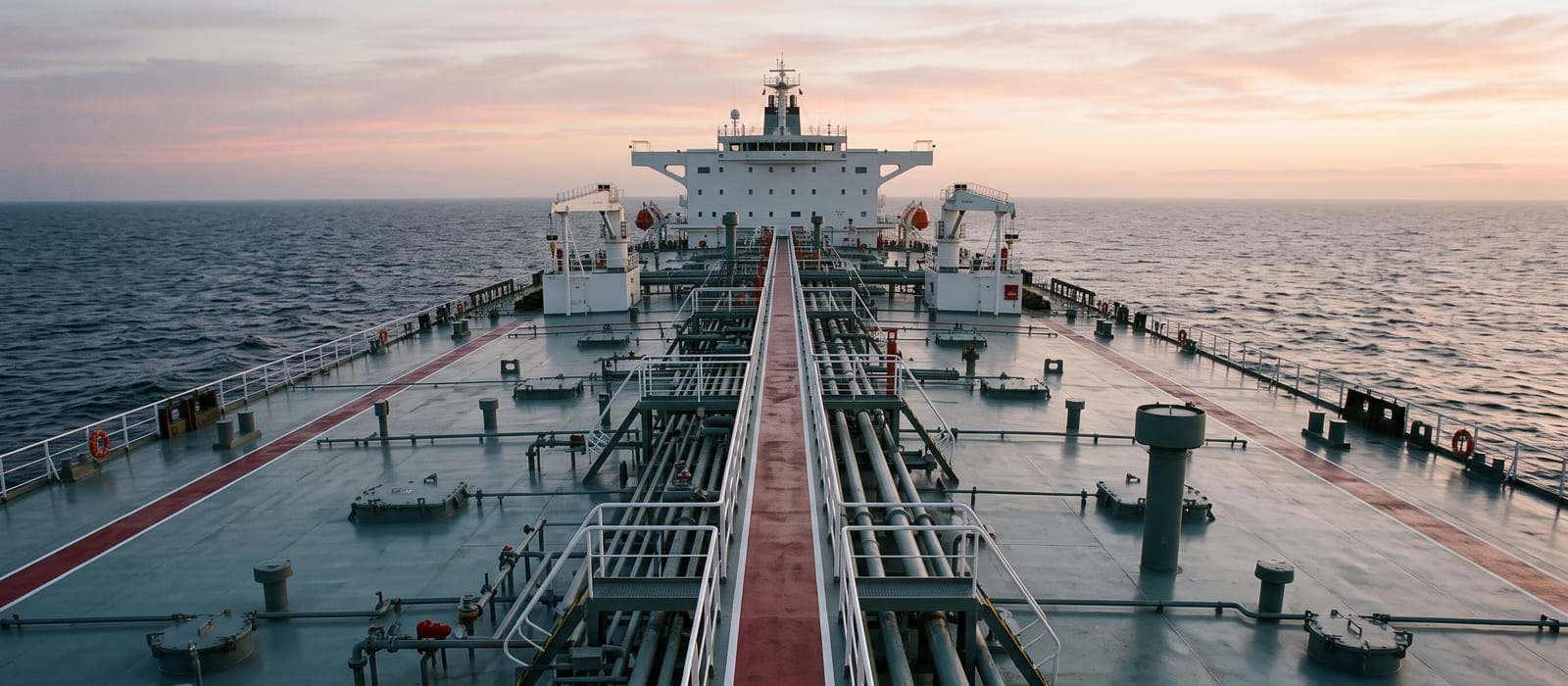
A tanker's main deck at dawn seen from the bow, walkway lines leading aft to the accommodation block.AI-generated
SIRE 2.0 · 31 July 2026 · 6 min read

SIRE 2.0 preparation checklist: the run-up to inspection day

Office data work at booking, an on-board walk-through, a final document check, and a clear picture of inspection day itself. The run-up, phase by phase.

Read the guide
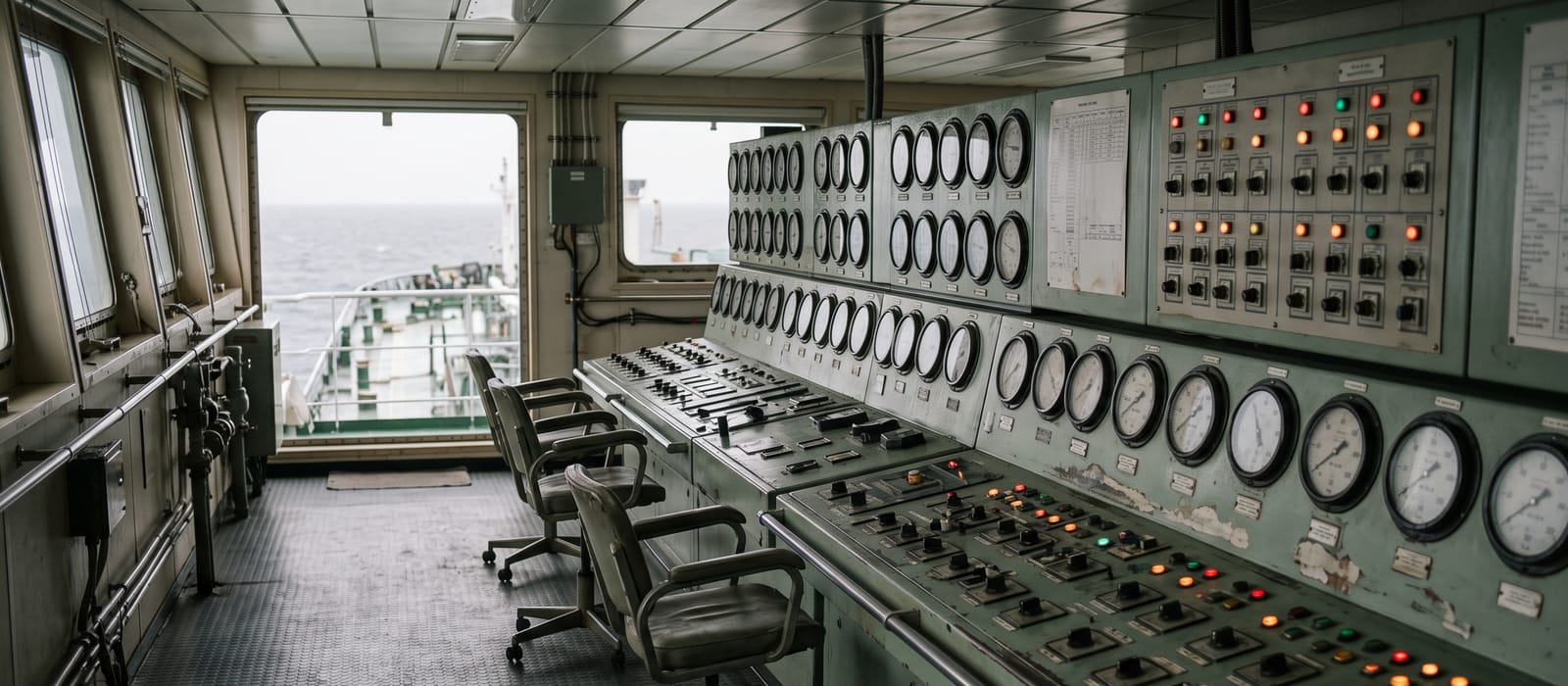
A tanker's cargo control room: rows of analogue gauges, valve panels and glowing indicator lights.AI-generated
SIRE 2.0 · 31 July 2026 · 6 min read

SIRE 2.0 question types: core, rotational, conditional and campaign

Four question types decide what an inspector asks on board. Which ones every ship faces, which rotate unpredictably, and what your own data can trigger.

Read the guide
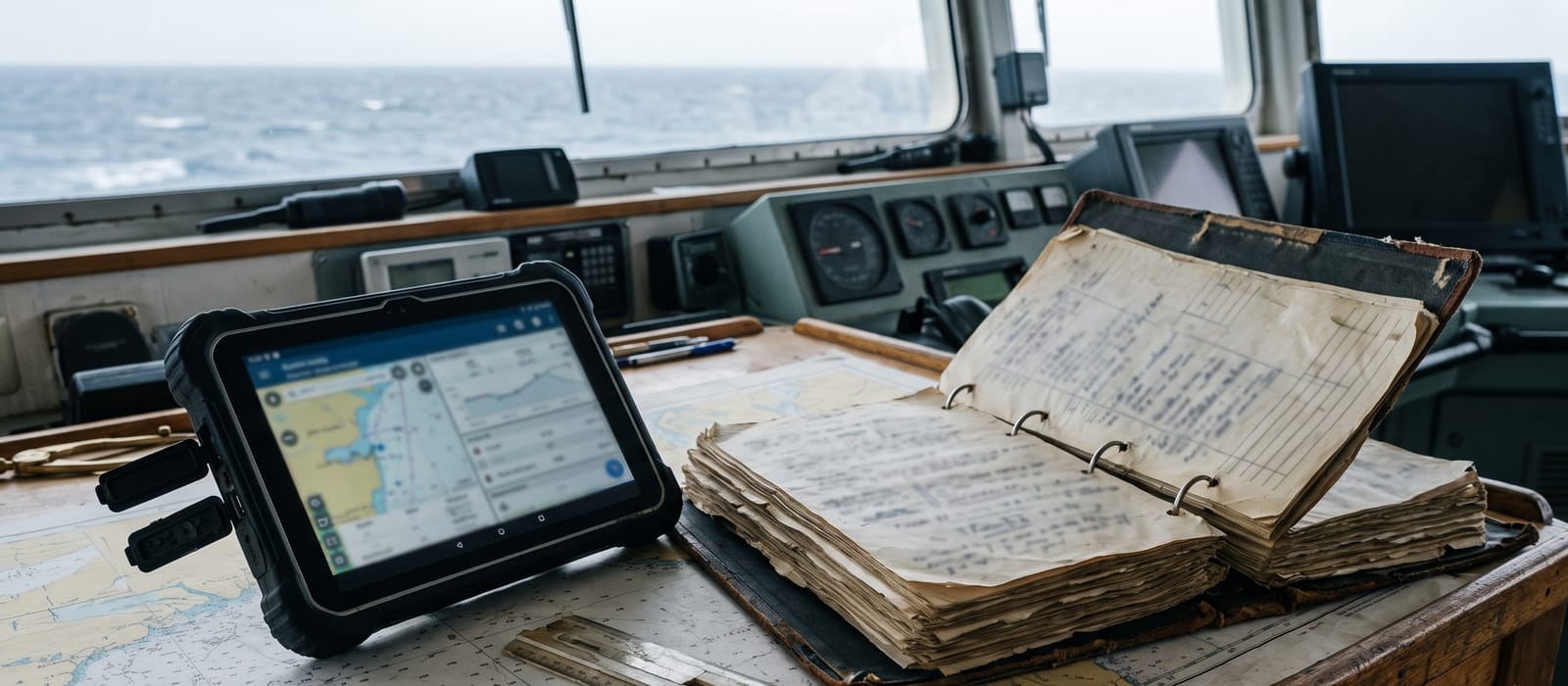
A worn paper questionnaire binder open beside a rugged tablet on a bridge chart table.AI-generated
SIRE 2.0 · 31 July 2026 · 7 min read

SIRE 2.0 vs the old SIRE (VIQ7): what actually changed

The fixed questionnaire is gone. What the compiled CVIQ, the tablet and the human element mean in practice, and which parts of the old preparation still earn their keep.

Read the guide
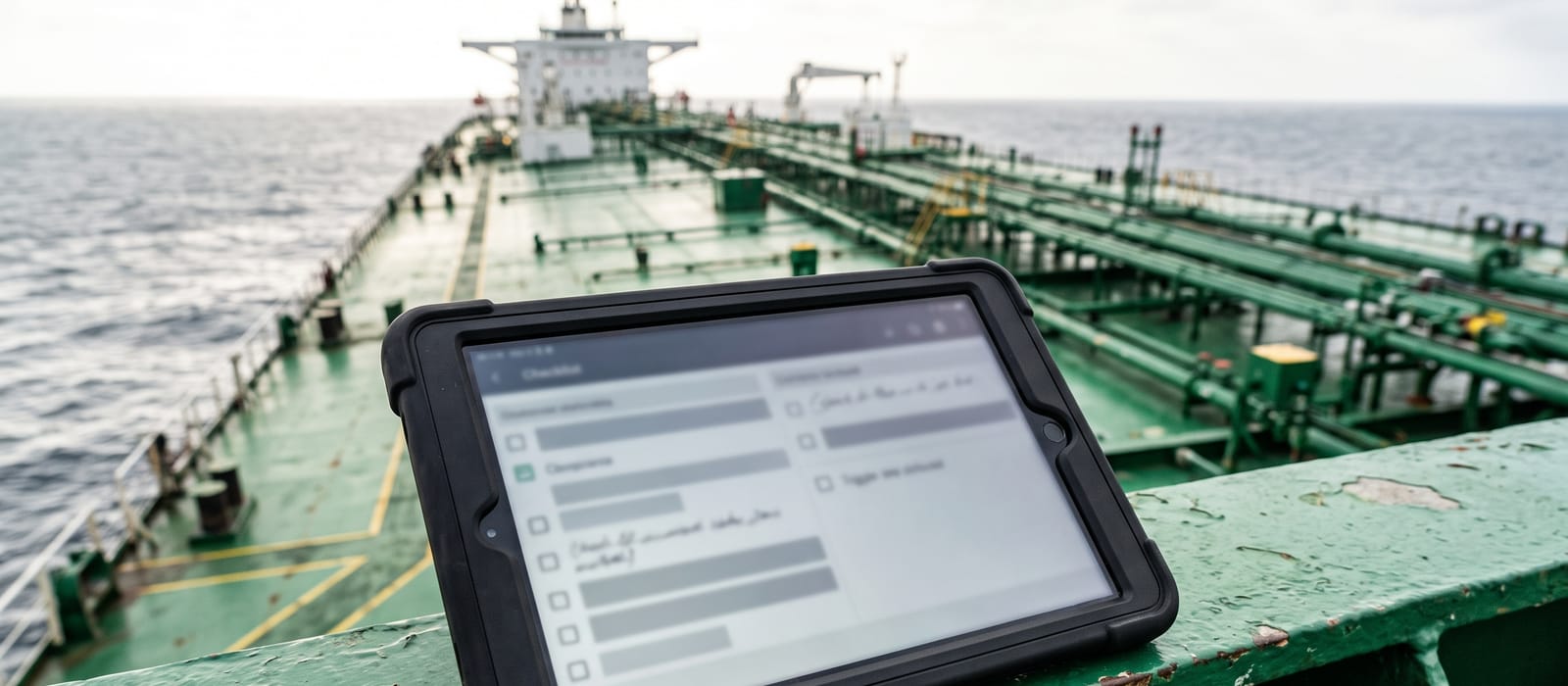
A rugged tablet propped on a tanker's deck rail, the long deck stretching away behind.AI-generated
SIRE 2.0 · 31 July 2026 · 6 min read

The CVIQ explained: how SIRE 2.0 compiles each inspection

Every SIRE 2.0 inspection runs from a questionnaire built for that ship on that day. Where the questions come from, what feeds the compiler, and what bad data does.

Read the guide
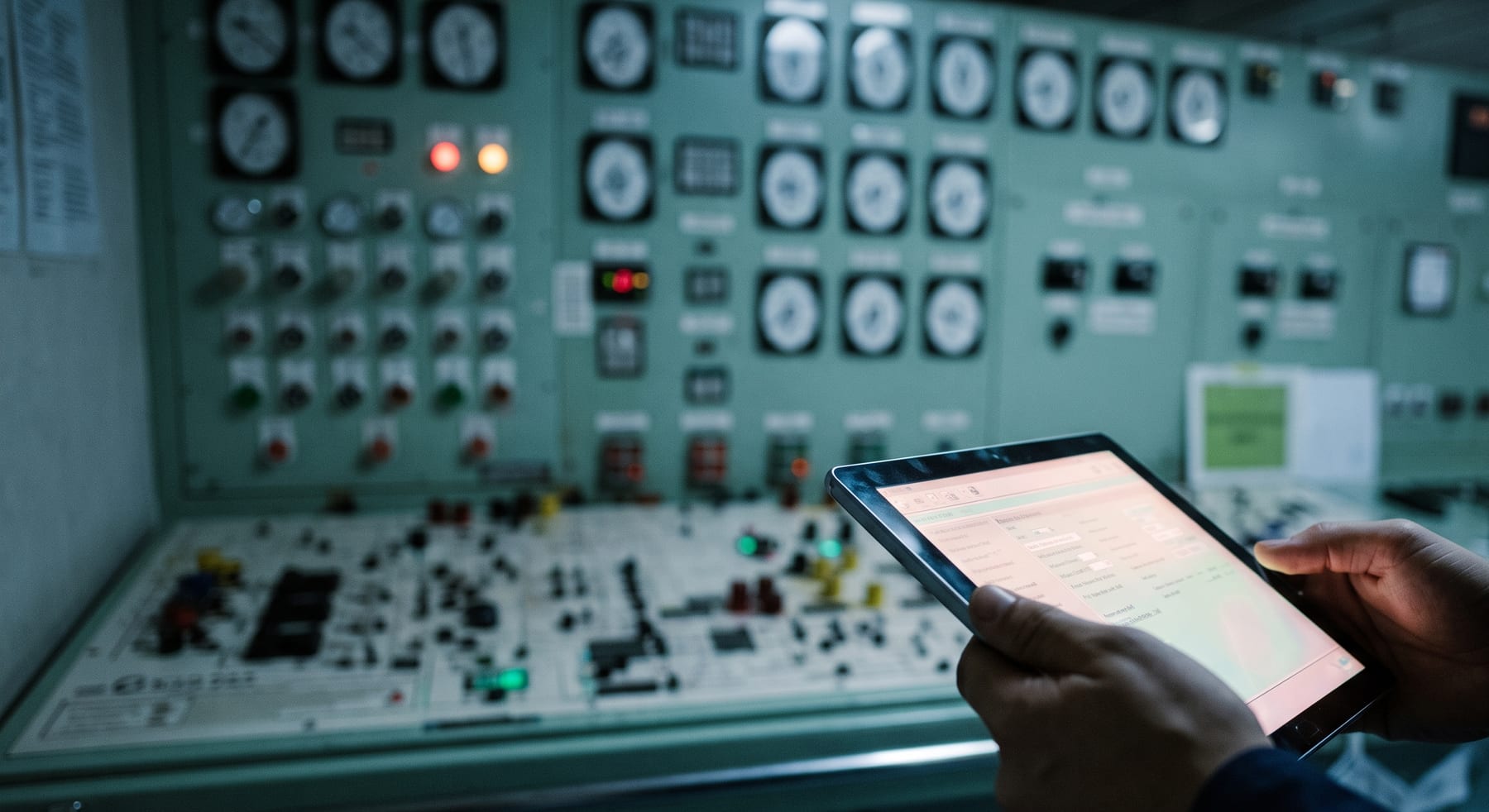
Hands holding a rugged tablet in a tanker's cargo control room, gauge panels glowing behind.AI-generated
SIRE 2.0 · 16 June 2026 · 4 min read

SIRE 2.0 and the CVIQ: what changed and how to prepare

The move to a risk-based, question-driven inspection changes what the crew documents and what the office can do afterwards. A field guide for tanker operators.

Read the guide

Beyond the reading.

These guides explain the regime. Fleetward is how a fleet gets ready for it: the crew documents the pre-inspection on mobile, and the office sees the gaps before the inspector does.

How Fleetward prepares a tanker for SIRE 2.0